Hair extensions have become a must-have accessory for those seeking instant length, volume, or a new look without the long wait for natural growth. Whether you’re dreaming of mermaid-length locks or just want to add a bit of thickness, hair extensions offer endless possibilities. But, with so many types out there, it can be overwhelming to know where to start. In this guide, we’ll break down the basics of hair extensions, how to choose the right type for your lifestyle, and tips for maintaining them.
Types of Hair Extensions: Which One Is Right for You?

1. Clip-In Hair Extensions
What They Are: Clip-ins are temporary hair extensions that you can attach and remove yourself. They come in small sections of hair with clips sewn into them.
Best For: Beginners or those who want to change their look for special occasions. They’re ideal if you want to experiment with extensions without a long-term commitment.
Pros: Easy to apply and remove, affordable, and you can reuse them.
Cons: Not ideal for daily wear as frequent removal can lead to breakage over time.
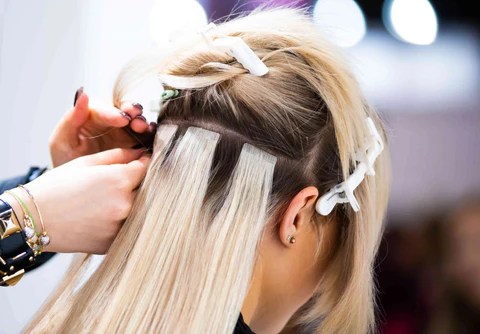
2. Tape-In Hair Extensions
What They Are: Tape-ins are thin wefts of hair with adhesive strips that are applied to your natural hair. The application is done by a professional.
Best For: Those looking for semi-permanent extensions that last for several weeks.
Pros: Lightweight, seamless, and reusable. Great for fine hair as they lay flat.
Cons: Requires professional application and regular maintenance every 6-8 weeks.
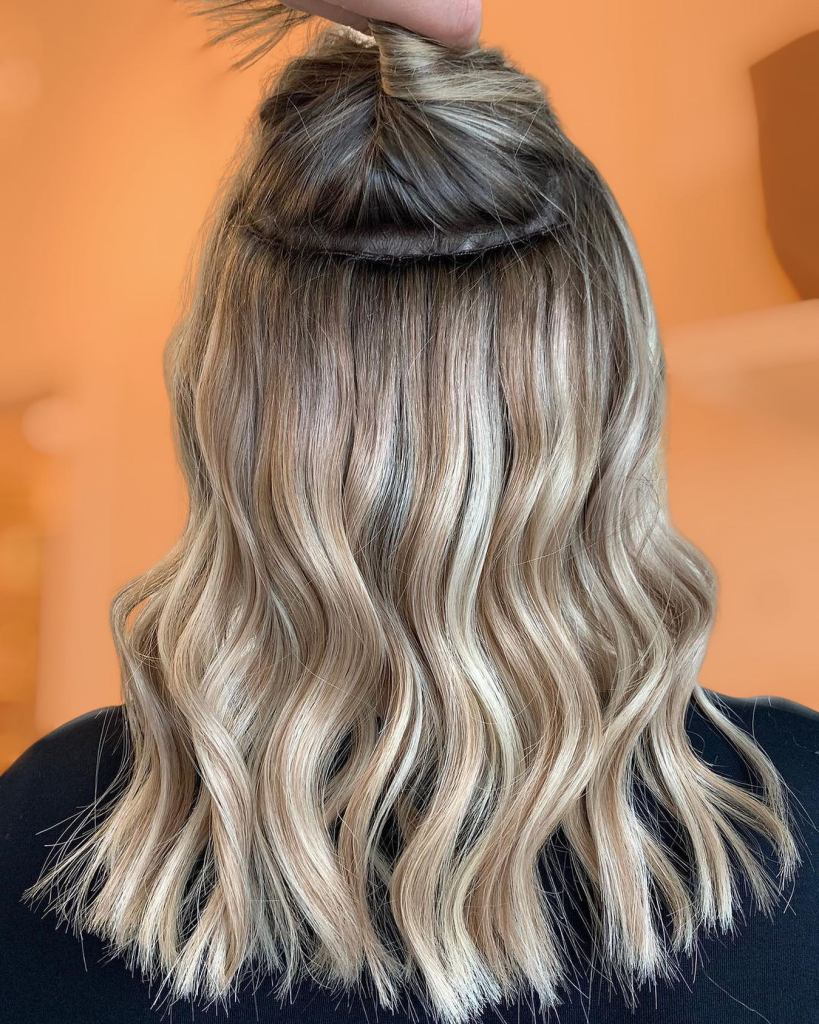
3. Weft Extensions:
What They Are: Weft extensions are wefts of hair that can be beaded or sewn into sections of your natural hair. This method is popular with those who have thicker, textured hair.
Best For: Anyone seeking long-lasting extensions with no need for daily removal.
Pros: Very secure and long-lasting, making them a good option for those with active lifestyles.
Cons: Can feel heavy and tight if not properly installed. Regular salon visits are required to adjust as your hair grows.
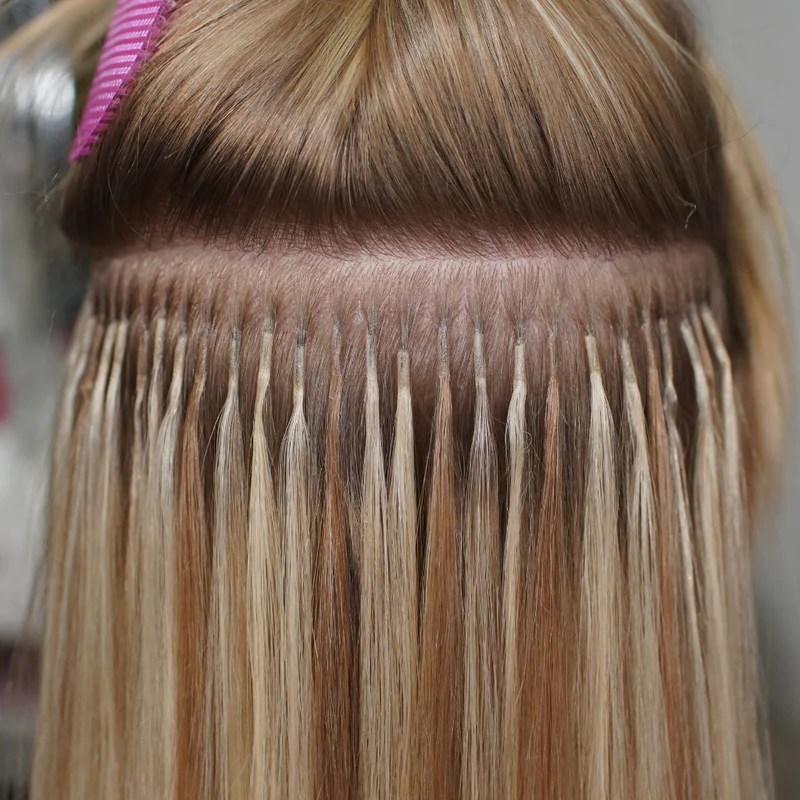
4. Fusion or Keratin-Bonded Extensions
What They Are: Individual strands of hair are bonded to your natural hair using a keratin-based adhesive. This process is done strand by strand and is very time-consuming.
Best For: Those seeking a natural look with long-lasting results.
Pros: Very natural appearance and the extensions move freely with your natural hair.
Cons: Application takes several hours and the process can be expensive. You’ll also need to avoid heat styling near the bonds to prevent them from loosening.
5. Halo Extensions
What They Are: A temporary hairpiece that sits on top of your head and is secured by a thin, invisible wire. It’s a quick solution for those who want fuller hair without the need for professional installation.
Best For: Anyone looking for easy, damage-free volume and length.
Pros: Very gentle on natural hair, and you can put them in or take them out in minutes.
Cons: Limited in terms of hairstyles, as they are best worn down.
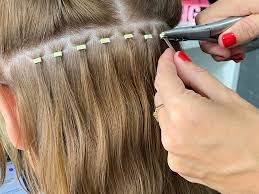
6. Microlink Extensions (I-Tip)
What They Are: Individual strands of hair are attached using small metal beads or links, clamped to your natural hair.
Best For: Those wanting a more permanent extension option with natural movement.
Pros: No glue or heat is used, making it a relatively gentle option.
Cons: Can be damaging if not properly maintained.
How to Choose the Right Extensions for You When selecting hair extensions, consider the following:
Lifestyle: If you’re active or don’t want to spend a lot of time on upkeep, opt for low-maintenance extensions like clip-ins, tape-ins or microlinks.
Hair Type: If you have fine hair, lightweight options like tape-ins or halo extensions may be best. For thicker hair, wefts or microlinks provide more secure hold and volume.
Budget: Clip-ins are the most affordable option, while fusion extensions tend to be the most expensive due to the time and skill involved.
Longevity: If you want something that lasts, consider tape-ins, microlinks or fusion extensions, which can last up to several months with proper care.
How to Care for Your Extensions
1. Washing: Always use sulfate-free shampoos and conditioners to avoid stripping moisture from your extensions. Avoid scrubbing at the bonds or tapes and focus on gently massaging your scalp and natural hair.
2. Brushing: Use a soft-bristle brush or a wide-tooth comb to gently detangle your extensions, starting from the ends and working your way up. Be especially gentle near the attachment points to avoid breakage.
3. Heat Styling: Always apply a heat protectant before using hot tools on your extensions. Avoid direct heat on tape or bonded areas to prevent loosening the adhesives.
4. Sleeping: Tie your hair into a loose braid or ponytail before bed to prevent tangling. Sleeping on a silk pillowcase can also help reduce friction and protect your extensions.
5. Maintenance: Depending on the type of extensions, you’ll need to visit your stylist every 6-8 weeks for maintenance. This includes adjusting tape-ins or re-braiding your natural hair for sew-ins.
Hair extensions are a fantastic way to enhance your look, whether you’re seeking length, volume, or just a fun change. By selecting the right type of extensions for your lifestyle and taking proper care of them, you can enjoy beautiful, long-lasting results. Consult with your stylist to determine the best options for your hair type and goals, and get ready to transform your look with ease! — Let me know if you’d like any tweaks or additions!
 Aly | Los Angeles & Dana Point Hair Artist